


Collaborations
Vision
As we progress further into the 21st century, collaborative approaches have become foundational to effective pedagogy in an increasingly interconnected world. At SMEF’s Brick School of Architecture, we firmly believe that meaningful collaborations at every level strengthen the future of education. Anchored in the idea of collective teacher efficacy (CTE), we recognise that partnerships both within and outside the institution can significantly enrich student learning and positively influence academic and professional outcomes.
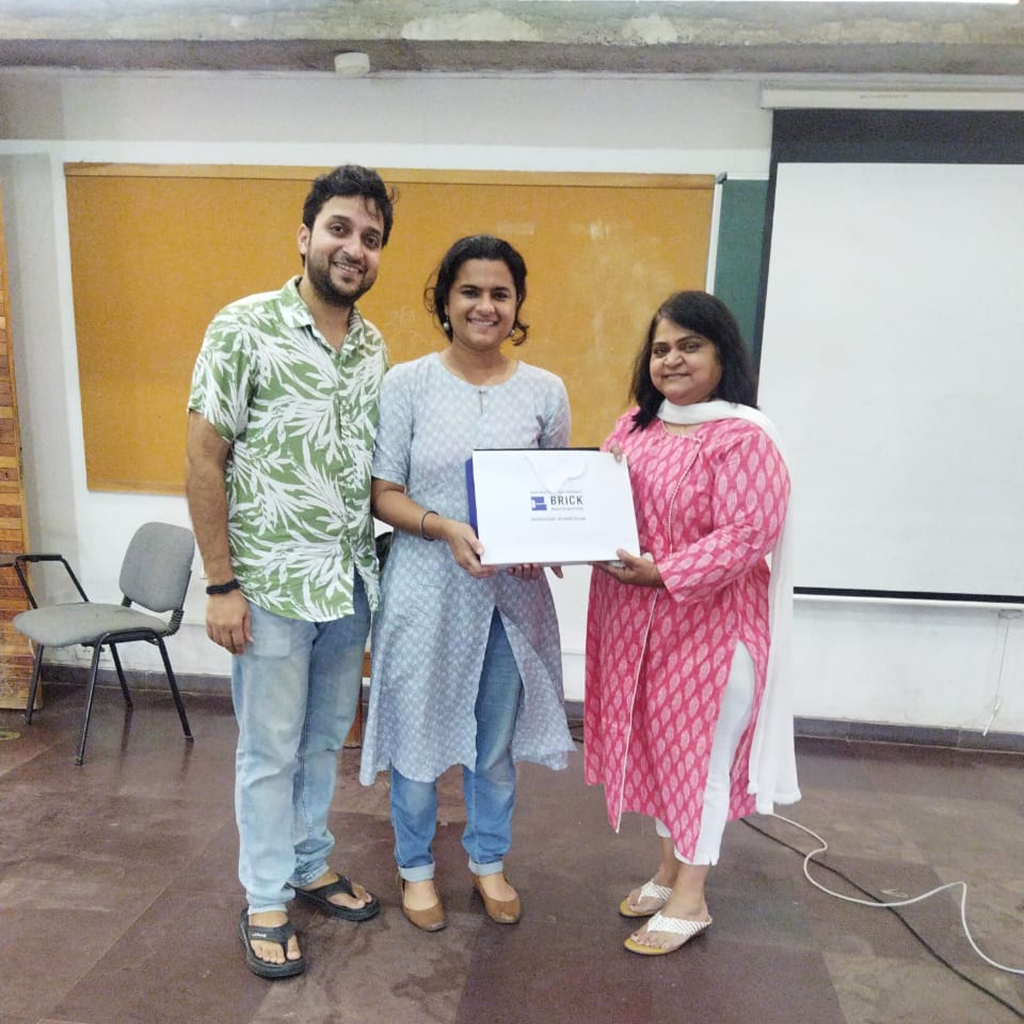
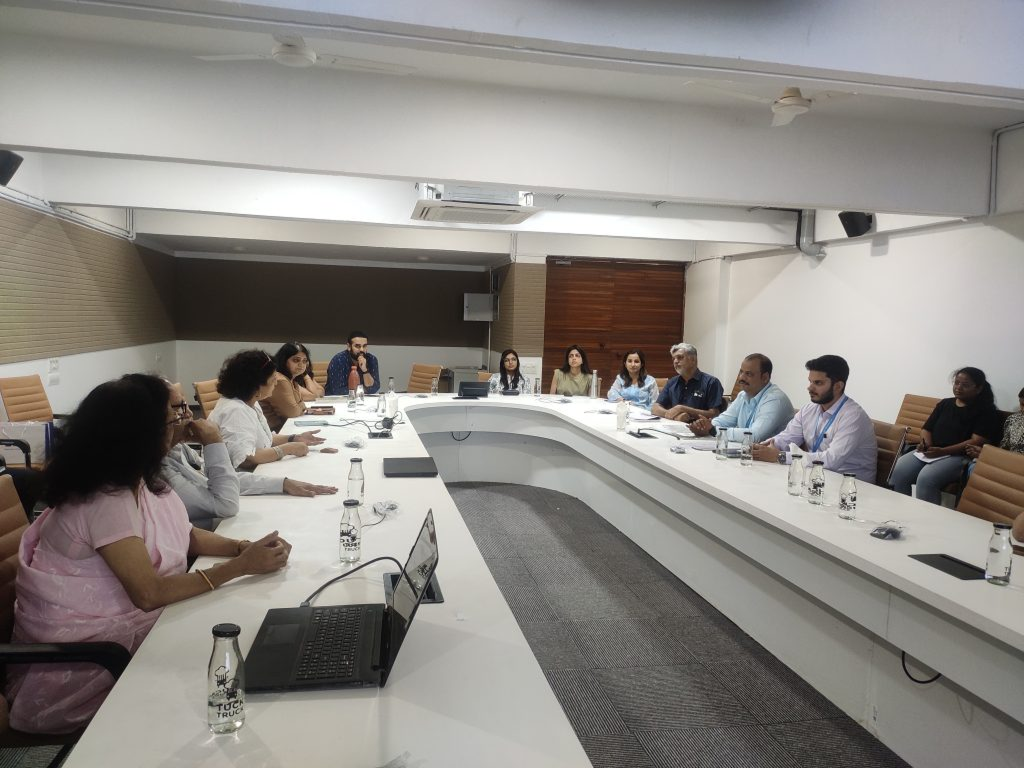
To support the overall growth of students, Brick has organised its teamwork efforts into seven different but related areas:
- Social Extension Activities
- Skills Development
- Consultancy
- Knowledge Sharing
- Internships & Placements
- Research & Innovation
- Inclusivity & Social Awareness
Together, these avenues create a comprehensive learning ecosystem that extends far beyond the classroom.
By engaging in diverse forms of collaboration, students gain opportunities to:
- Apply architectural knowledge to real-world issues
- Strengthen professional competencies
- Participate in impactful research
- Develop a heightened sense of social and ethical responsibility
Through these collective efforts, we strive to nurture graduates who are not only technically skilled but also empathetic, culturally aware, and future-ready thinkers.
Categories of Collaboration
1. Social Extension Activities
These collaborations foster student engagement with marginalised or under-resourced communities. Initiatives range from disaster-relief design interventions and rural infrastructure improvements to sustainable development projects. The objective is to instil empathy, responsibility, and the ability to apply architectural skills to real societal needs.
2. Skills Development
This aspect involves partnerships that help students build both technical and soft skills, supplementing academic learning with workshops, certifications, training sessions, and leadership programs. The aim is to ensure students graduate as well-rounded, industry-ready professionals.
3. Consultancy
Through collaborations with external organizations, students and faculty work on live projects in architectural design, planning, sustainability, and more. These experiences bridge the gap between academia and practice and provide valuable exposure to real-time problem-solving.
4. Knowledge Sharing
This method includes guest lectures, seminars, symposiums, webinars, and joint publications with field experts and institutions. These exchanges guarantee that our students and faculty stay abreast of the latest theories, technologies, and global trends.
5. Internships & Placements
Collaborations for internships and placements involve partnerships with architectural firms, construction houses, planning authorities, and NGOs. These opportunities enable students to transition smoothly into professional environments through hands-on learning.
6. Research & Innovation (New)
This category promotes a culture of inquiry by engaging in collaborative research with academic institutions, industry partners, and innovation platforms. Students are encouraged to participate in competitions, research grants, and interdisciplinary projects that push the boundaries of architectural thought and practice.
These collaborations address themes such as gender equity, universal accessibility, and social justice. By working with NGOs, advocacy groups, and government agencies, students gain sensitivity towards inclusive design and the ethical dimensions of architectural practice.
Goals of the Collaborations Portfolio
- Strengthen academic excellence through collaborations with educational institutes within India and abroad.
- Engage with industry partners involved in public-interest domains such as area development, environment, construction, sanitation, and urban improvement.
- Facilitate skill development through associations with organisations that enhance student competencies and prepare them for emerging professional demands
- Promote a holistic learning environment by forging partnerships at local, national, and international levels.
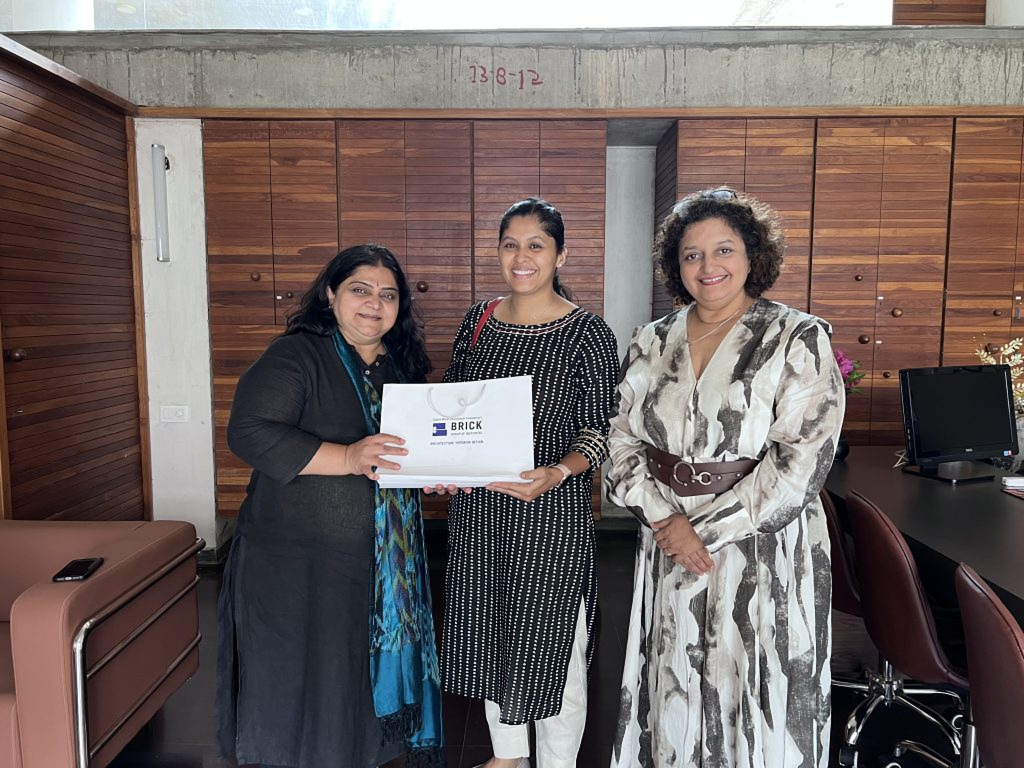
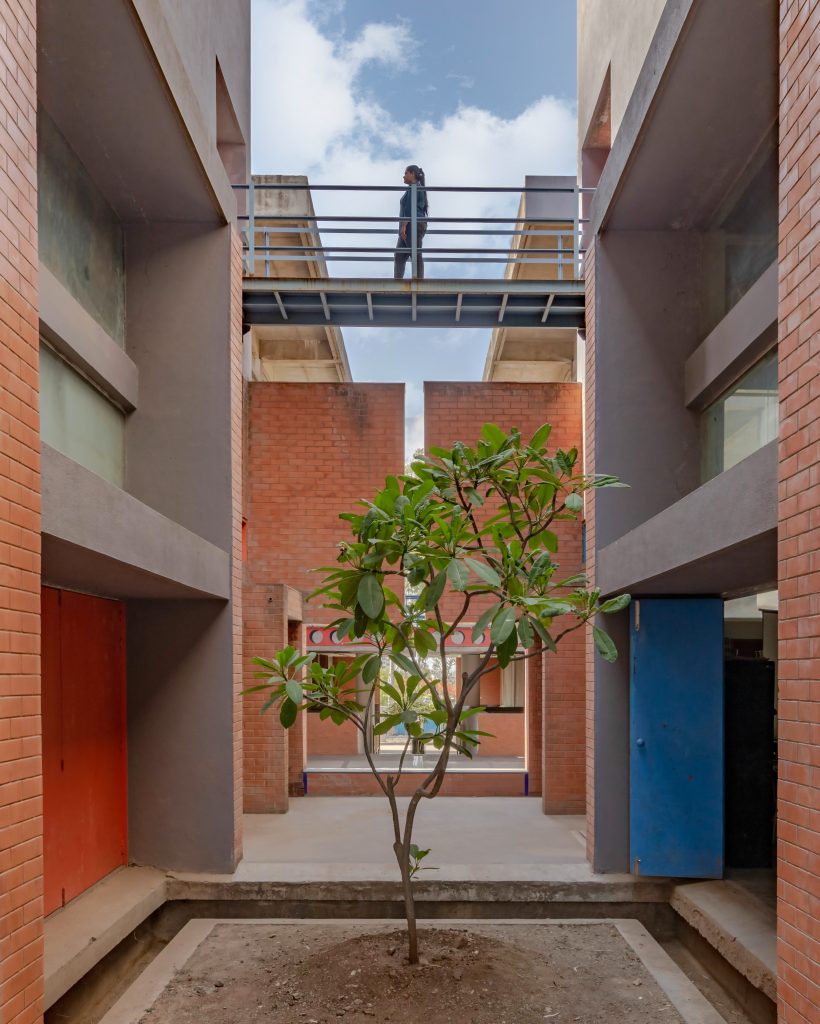
Philosophy
Education should be open, inclusive, and alive with ideas. At Brick, learning extends beyond classrooms into real-world experiences, cultural exchange, and collaboration. Teachers act as mentors and catalysts, guiding and inspiring students to think critically and design mindfully. Emotional intelligence and mindfulness are fostered through respect, self-awareness, and active listening, preparing students to grow as conscious global citizens.